Quick answer: Yes, you can sell ebooks without a website. Platforms like Etsy, Gumroad, Payhip, Amazon KDP, and Ko-fi let you list, sell, and deliver a digital ebook without owning any domain, hosting, or code. Most sellers get started in under an hour by uploading a PDF, setting a price, and sharing the listing link directly on social media, in a newsletter, or through an existing marketplace’s own built-in traffic. A website eventually helps with long-term branding and control, but it’s not a requirement to make your first sale.
If that’s all you needed, you’re already close to publishing your first listing. But choosing the right platform, pricing it properly, and actually getting eyes on your listing without a website behind you takes a bit more thought — so let’s go through it properly.
Why a Website Isn’t Actually Required
There’s a common assumption that selling anything online requires a “real” website first — a domain name, a hosting plan, maybe a developer. That assumption made more sense a decade ago. Today, several platforms exist specifically to handle the parts a website used to be needed for: secure checkout, file delivery, and a public listing page that can rank in search or get shared directly.
What a website actually adds is control — your own branding, your own checkout flow, your own email list ownership, and independence from any single platform’s rules or fees. Those are real advantages, but they’re advantages you can add later. None of them are prerequisites for making your first sale.
The Best Platforms to Sell Ebooks Without a Website
Etsy
Etsy is built primarily for physical crafts, but its “digital download” category has grown into one of the largest marketplaces for ebooks, templates, printables, and guides. Etsy already has enormous built-in search traffic, meaning a well-optimized listing can get discovered without you driving any traffic yourself — something no standalone website can offer on day one. The tradeoff is a listing fee, a transaction fee, and less control over how your shop looks compared to a fully custom site.
Gumroad
Gumroad is built specifically for creators selling digital products — ebooks, courses, templates, and more. You get a simple product page with your own branding, a straightforward checkout, and automatic file delivery. Gumroad doesn’t have Etsy’s built-in search traffic, so you’ll need to bring your own audience via social media, email, or a link in your bio — but you keep more of each sale and get more design flexibility than Etsy allows.
Payhip
Similar to Gumroad, Payhip focuses on digital products and adds a few extra features useful for ebook sellers specifically, like built-in EU VAT handling and simple coupon codes. It’s a solid alternative if Gumroad’s fee structure doesn’t fit your volume.
Amazon KDP (Kindle Direct Publishing)
If your ebook is meant to be read as a traditional ebook (rather than a printable or template), KDP publishes directly onto Amazon’s existing marketplace, putting your book in front of millions of active book buyers without any traffic-building effort on your part. The tradeoff: Amazon takes a significant royalty cut, controls pricing within certain bands, and you’re competing directly against a vast catalog of other titles.
Ko-fi and Buy Me a Coffee
Originally built for accepting tips and donations, both platforms have added simple digital product sales features, making them a lightweight option if you already have an existing audience on social media or a newsletter and just need a simple checkout link, without needing a full storefront.
Social media “link in bio” tools
Tools like Linktree or Beacons let you list a digital product for sale directly from a link in your Instagram, TikTok, or YouTube bio, often integrating directly with Gumroad or Payhip behind the scenes. This is less a selling platform on its own and more a way to route existing social traffic straight to a checkout page without ever building a website.
Choosing the Right Platform for Your Situation
Ask yourself three quick questions:
Do I already have an audience, or do I need the platform to bring me buyers? If you have zero existing following, Etsy or Amazon KDP make more sense, since their internal marketplace search can surface your ebook to strangers. If you already have social media followers, an email list, or a blog readership, Gumroad or Payhip let you sell directly to that existing audience with better margins.
How much control do I want over pricing and branding? Etsy and Amazon KDP impose more structure — Etsy nudges you toward certain price bands buyers expect, and KDP restricts pricing within specific royalty tiers. Gumroad and Payhip give you full control over price, currency, and page design.
What type of ebook am I selling? A traditional narrative or long-form nonfiction book fits Amazon KDP’s reading experience well. A printable, template, worksheet, or short practical guide fits Etsy’s buyer expectations better. A course-style or professional guide often does best on Gumroad or Payhip, where the buyer expects a direct, no-frills purchase rather than a marketplace browsing experience.
How to Actually Get Sales Without a Website Driving Traffic
Listing your ebook is the easy part — getting people to actually find and buy it without a website behind you is where most of the real work happens.
1. Lean on the platform’s own search and discovery. Etsy and Amazon KDP both have their own internal search engines. Optimize your listing title and description with the exact terms buyers search for, the same way you’d think about SEO for a website — because functionally, that’s exactly what you’re doing, just inside the platform instead of on Google.
2. Use existing social media, even without a dedicated following. A single well-written post, a short video walkthrough of your ebook’s content, or a relevant comment on a larger creator’s post pointing back to your listing can generate real traffic even from a small account, especially in active niche communities.
3. Answer questions where your buyers already are. Communities like Reddit, Quora, or niche Facebook groups are full of people asking questions your ebook directly answers. A genuinely helpful answer that naturally mentions your ebook (without turning into a sales pitch) routes qualified buyers to your listing without needing a website of your own.
4. Collect emails even without a website. Many of the platforms above allow you to capture buyer emails at checkout. Use this list to notify past buyers about new releases or related products — repeat buyers are far easier to sell to than cold traffic, and this becomes possible even without owning a domain.
5. Bundle and cross-sell within the platform. Once you have more than one ebook, most of these platforms let you link related products together, or offer a small discount for buying a bundle — this increases the average order value without requiring any additional traffic at all.
The Limitations Worth Knowing About
Selling without a website isn’t free of tradeoffs, and it’s worth being clear-eyed about them:
- You don’t fully own the customer relationship. Etsy and Amazon, in particular, limit how much buyer contact information you get, and how directly you can market to past buyers outside their platform.
- Platform fees add up. Etsy, Amazon, and even Gumroad all take a percentage of each sale — over enough volume, this becomes a meaningful cost compared to a self-hosted checkout.
- You’re subject to platform rules and policy changes. A marketplace can change its fee structure, search algorithm, or content policies at any time, and your entire sales channel depends on staying compliant with rules you don’t control.
- Branding is more limited. A Gumroad or Etsy page can only be customized so much — if strong, distinctive branding matters to your long-term business, a website eventually becomes worth building.
None of these are reasons to avoid starting without a website — they’re simply reasons a website often becomes worthwhile later, once you have real sales data showing the effort is worth scaling.
When It Makes Sense to Eventually Add a Website
A dedicated website becomes genuinely useful once you have more than one or two products, want to own your email list fully, want to avoid marketplace fees on a growing volume of sales, or want a stronger, more distinctive brand presence than a marketplace template allows. None of this needs to happen on day one — many successful ebook sellers spend months or even years selling entirely through marketplaces before building a website at all, using that time to validate which topics and formats actually sell before investing in anything more permanent.
A Simple Launch Checklist Without a Website
If you’re starting from zero, here’s a practical order of operations that works whether you choose Etsy, Gumroad, Payhip, or Amazon KDP:
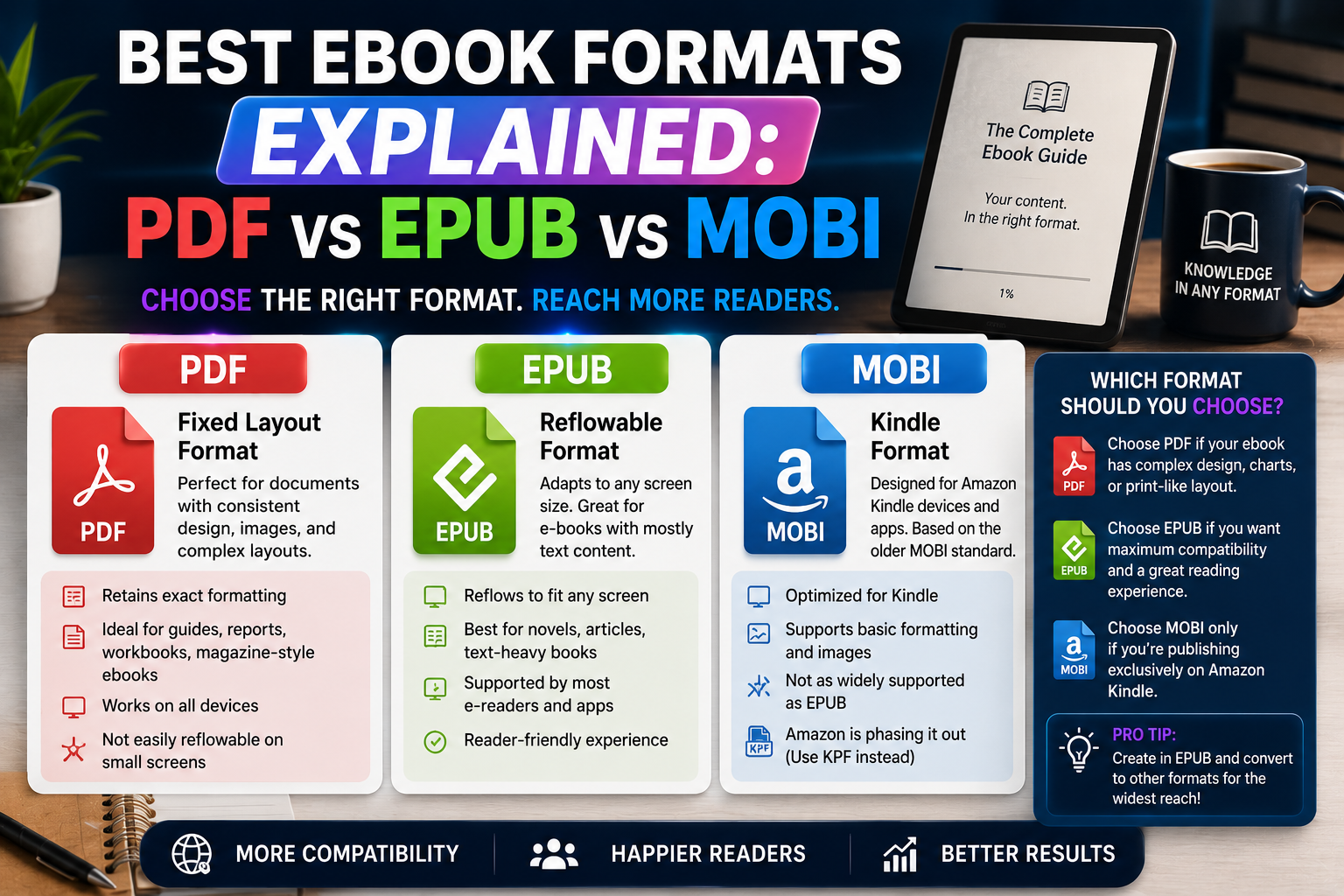
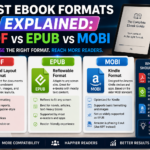
- Finish and format the ebook itself into a clean, professional PDF (or EPUB/MOBI if going through Amazon KDP), since the platform-choice step matters far less than having a genuinely finished, well-presented product.
- Write the listing title and description around the exact phrase your buyer would search, not a clever or vague title — marketplace search behaves similarly to Google search, rewarding clarity over cleverness.
- Create a cover and preview images even for a purely text-based ebook — buyers browsing a marketplace visually skip listings with no cover image or a low-effort placeholder.
- Set an initial price using the reasoning from a proper pricing strategy (comparable listings, depth of content, audience willingness to pay) rather than guessing.
- Publish the listing, then immediately share the direct link in the one or two places your actual audience already exists — a relevant subreddit, a niche Facebook group, an existing social following, or an email list, however small.
- Track which channel actually produces sales, so your very limited time goes toward whichever traffic source is working, rather than spreading effort evenly across everything at once.
A Realistic Expectation for Your First Sales
Selling without a website doesn’t mean selling without any effort at all — it shifts the effort from building infrastructure to actively getting your listing in front of the right people. Etsy and Amazon KDP can generate some organic discovery purely from their internal search, but this typically takes weeks to build momentum, not days. Gumroad and Payhip generate essentially no traffic on their own, meaning your early sales will come almost entirely from wherever you personally direct people. Neither path is inherently better — they simply require different kinds of effort, and knowing this upfront helps set realistic expectations rather than assuming a listing alone will generate sales passively from day one.
Frequently Asked Questions
Do I need a business registration to sell ebooks without a website? This depends on your country and how much you’re earning, not on whether you have a website. Check your local requirements around self-employment or hobby income thresholds regardless of which platform you sell through.
Can I sell the same ebook on multiple platforms at once? Yes, and many sellers do exactly this — listing the same ebook on Etsy and Gumroad simultaneously, for example, to capture both marketplace search traffic and direct social media traffic.
Is it harder to get reviews without a website? Not really — reviews on Etsy or Amazon KDP are tied to the platform itself, not to a website, so a strong listing can accumulate genuine reviews purely through platform traffic.
Should I skip a website forever if I’m selling successfully without one? Not necessarily forever, but there’s no rush. Many sellers wait until they have proven demand and a growing catalog before investing time into a website, since by that point they know exactly what to build it around.